Caregiver Burnout Is Real: How Family Caregivers Can Protect Their Own Health

Roughly one in five American adults cares for an aging or ill family member, most while working jobs and raising kids. Caregiving can be deeply meaningful. It is also physically and emotionally taxing in ways that build slowly, which is why so many caregivers do not notice burnout until it has already affected their health, work, and relationships.
What burnout looks like
- Exhaustion that sleep does not fix.
- Getting sick more often, or letting your own appointments lapse.
- Irritability or resentment toward the person you care for, followed by guilt.
- Withdrawing from friends and activities you used to enjoy.
- Feeling that nothing you do is enough.
If several of these sound familiar, that is not a character flaw. It is the predictable result of a workload that has outgrown one person.
Accept that the standard is sustainable, not perfect
Many caregivers hold themselves to a standard no professional team would attempt: on call around the clock, no shift changes, no days off. Care that keeps going matters more than care that is flawless for a while and then collapses.
Practical ways to share the load
- Make a written list of everything you do in a week. Families are usually shocked by the total, and a list makes it easier to hand pieces to siblings or friends.
- Say yes to specific offers. When someone says "let me know if you need anything," answer with a task and a day.
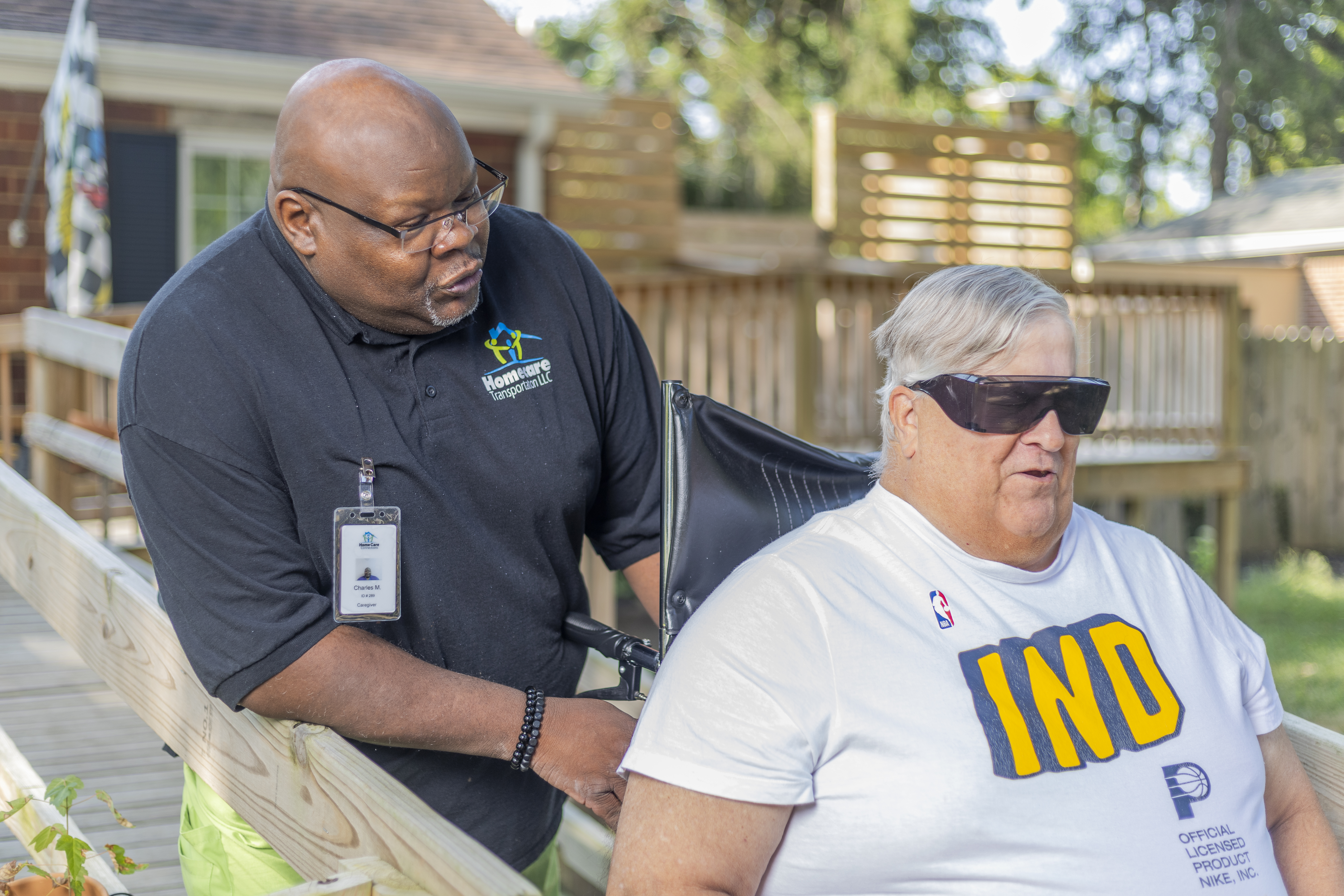
- Use respite care. Even four hours a week of professional caregiving gives you a protected block for your own appointments, errands, or rest.
- Look into benefits. In Indiana, Medicaid waiver programs can cover in-home attendant care for qualifying seniors, at no cost to the family.
- Keep one thing on your calendar every week that is only for you, and treat it like a medical appointment.
Watch your own health signals
Caregivers skip their own checkups at high rates. Keep your appointments, tell your doctor you are a caregiver, and take symptoms of depression and anxiety seriously. If you ever feel you might hurt yourself or the person you care for, step away and call for help immediately.
Asking for help is not giving up on a loved one. It is how you keep showing up for them. If your family needs breathing room, our team provides respite and ongoing attendant care across Central Indiana, and we are happy to explain Medicaid options during a free consultation.
We're here to help
HomeCare Connections provides attendant care, homemaker services, and transportation across Central Indiana. Talk to a care coordinator for free.
Contact Us