Healthy Eating After 65: Practical Nutrition Tips for Older Adults

Good nutrition does more for older adults than almost any medicine: it protects muscle, steadies blood sugar, speeds healing, and supports memory. But eating well gets genuinely harder with age. Appetite shrinks, taste dulls, dentures make some foods a chore, and cooking for one feels like more work than it is worth. The goal is not a perfect diet. It is a set of small habits that are easy to keep.
Protein first
Adults naturally lose muscle with age, and too little protein speeds that loss. Aim to include a protein source at every meal: eggs, Greek yogurt, beans, canned tuna or salmon, cottage cheese, peanut butter, or chicken. Canned and frozen options count just as much as fresh and keep far longer.
Make fluids a habit, not a response to thirst
The sense of thirst weakens with age, so by the time an older adult feels thirsty, they are already behind. Dehydration is one of the most common reasons seniors end up in the emergency room, and it often looks like confusion or weakness rather than thirst.
- Keep a filled water bottle or cup in sight all day.
- Soups, milk, decaf tea, and fruit like melon and oranges all count toward fluids.
- Tie drinking to routines: a glass with each meal and each round of medications.
Fiber keeps everything else working
Constipation is a frequent and miserable problem in later life, made worse by many medications. Oatmeal, bran cereal, beans, prunes, and vegetables help, along with fluids and daily movement.
Watch sodium without giving up flavor
Blood pressure creeps up when frozen dinners and canned soups become kitchen staples. Rather than banning them, balance them: choose lower-sodium versions, add frozen vegetables, and season home cooking with herbs, lemon, garlic, and pepper. Taste dulls with age, so bolder seasoning also simply makes food more appealing.
Make meals easier to face
- Several small meals often work better than three large ones.
- Cook once, eat twice: freeze single portions of soups and casseroles.
- Eating with company improves appetite. A shared meal once or twice a week makes a real difference.
- If chewing is painful, see a dentist. Soft does not have to mean bland: eggs, fish, yogurt, and slow-cooked stews are all nutrient-dense.
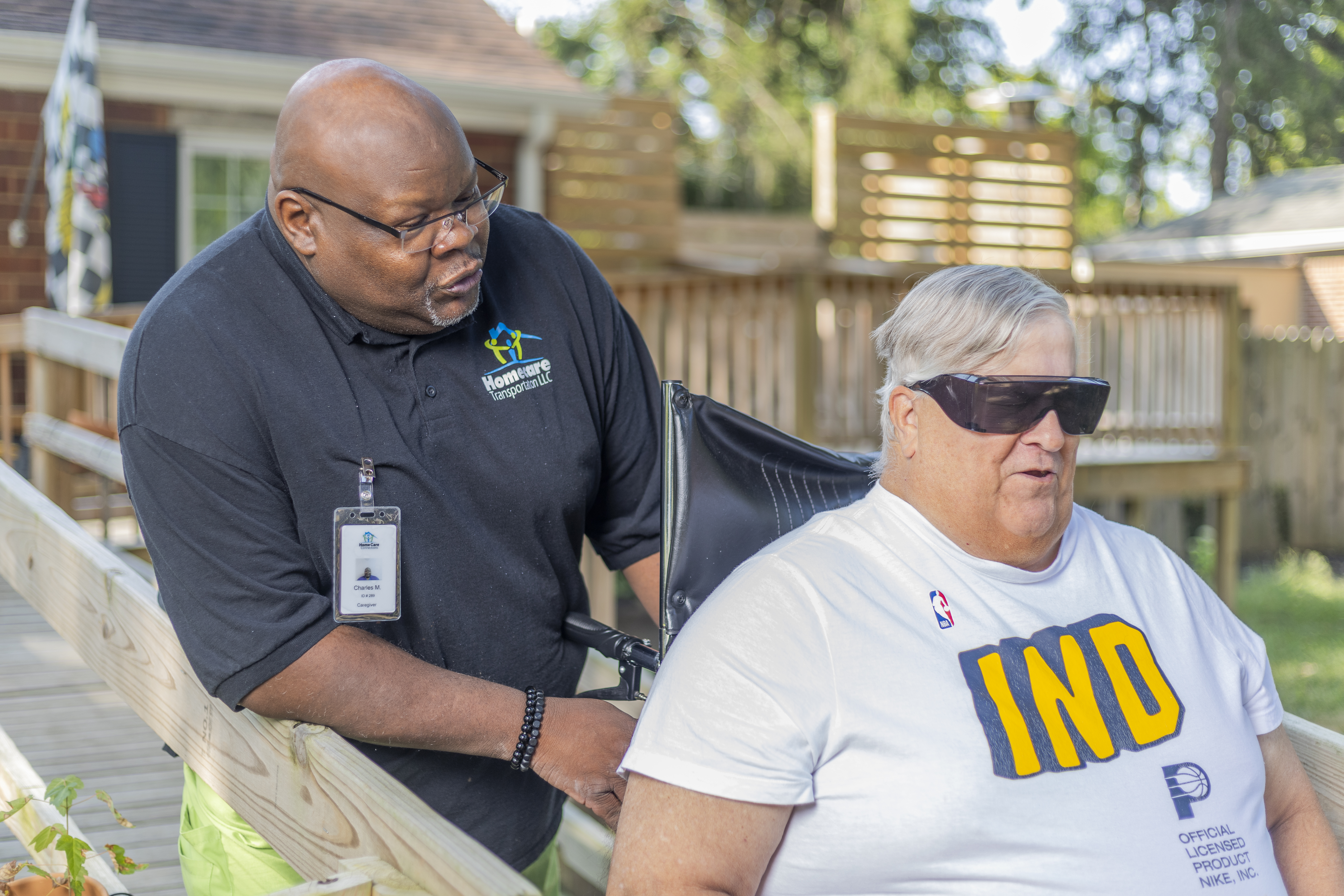
If shopping and cooking have become the obstacle, homemaker services can take that weight off. Our caregivers plan meals, shop, and cook alongside clients across Central Indiana, keeping food both nourishing and familiar.
We're here to help
HomeCare Connections provides attendant care, homemaker services, and transportation across Central Indiana. Talk to a care coordinator for free.
Contact Us